
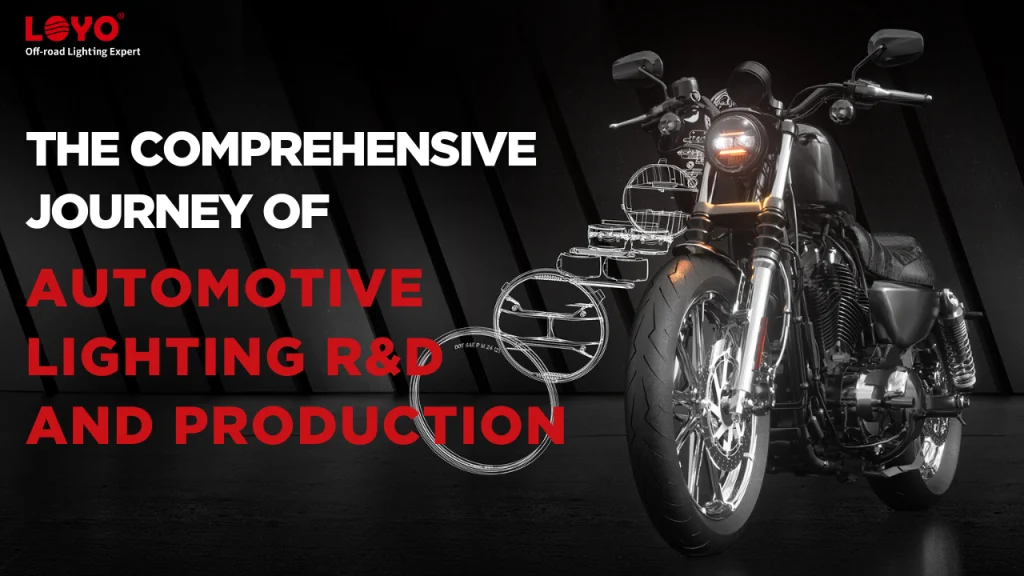
In the world of automotive design, lighting isn’t just about illumination—it’s a fusion of art, engineering, and precision. At LOYO Light, we pride ourselves on transforming bold ideas into high-performance headlights and off-road lighting systems that redefine visibility, safety, and style. This blog takes you behind the scenes of our end-to-end R&D and production process, revealing how a concept evolves into a market-ready product.
If you are looking for a reliable OEM & ODM automotive lighting manufacturer, LOYO provides full custom development solutions from concept to mass production.
1. Creative Concept: Where Art Meets Functionality
Every lighting innovation begins with a spark of creativity. Our designers blend market insights and user needs to draft initial concepts using tools like Photoshop (PS) for visual composition.
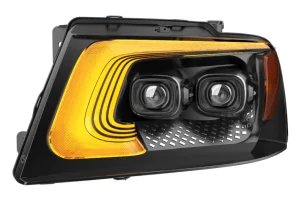

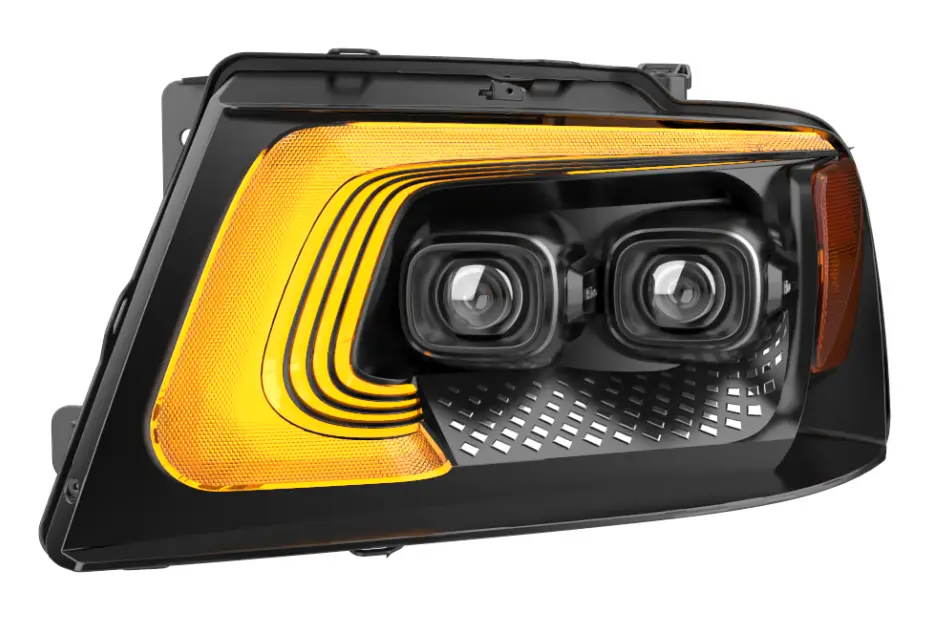
Our OEM lighting development capability allows us to support customized simulation, optical design, and tooling solutions for different motorcycle brands and off-road applications.
Key Activities:
Market Research & Ideation: Collect inspiration from automotive trends, nature, and industrial design.
Photoshop Prototyping: Using tools like Adobe Photoshop, 2D concepts come to life.
Why It Matters: A strong concept balances aesthetics with real-world usability. For example, our APEX Series originated from a PS sketch mimicking the angular geometry of mountain ranges, later refined for optimal aerodynamics.
2. 3D Modeling: Breathing Life into Ideas
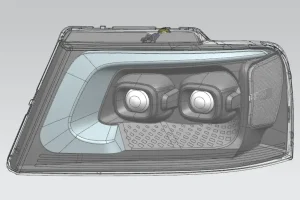
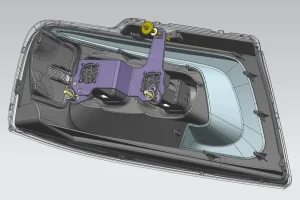
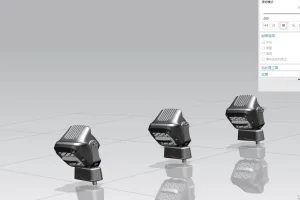
Once a concept is approved, our team transitions to 3D CAD software (e.g., SolidWorks, Rhinoceros、UG、CREO) to create precise digital models.
Focus Areas:
Surface Contouring: Sculpt curves and edges to minimize drag and maximize heat dissipation.
Optical Simulation: Pre-visualize light dispersion patterns using tools like LucidShape or Speos.
Ergonomic Fitment: Ensure the design integrates seamlessly with vehicle housings
3. Structural Design: Engineering for the Extreme
With the 3D model finalized, mechanical engineers tackle structural integrity and material selection.

Core Component Functions:
Reflector Cup Light Aggregation: The reflector cup plays a crucial role in gathering and redirecting light rays efficiently within the lighting system.
Lens Light Refraction and Focus: The lens is instrumental in refracting and focusing light beams to ensure optimal illumination and visibility on the road.
Lamp Body Protection and Heat Dissipation: Beyond aesthetics, the lamp body serves to shield internal components from external elements while facilitating effective heat dissipation to maintain operational efficiency.
Component Connection Methods:
Sealing Mechanisms: The connection between the lampshade and lamp body is secured through meticulous sealing methods such as rubber gaskets or hot melt adhesives.
Waterproofing and Dust Protection: These sealing techniques are imperative in guaranteeing a watertight and dust-resistant seal, thereby enhancing the longevity and performance of the automotive lighting system.
LOYO Edge: Our proprietary algorithms optimize reflector angles to eliminate glare while boosting lumen efficiency by 15–20% compared to industry averages.
4. Circuit Design: Powering Intelligence
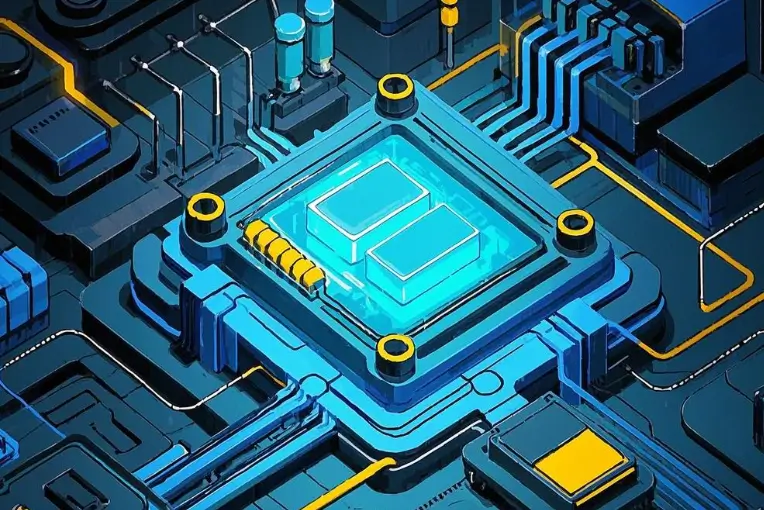
The electrical team steps in to develop PCB layouts and driver circuits that ensure reliability and smart functionality.
Circuit Principles:
Power Conversion: The conversion of the standard automotive power source (typically 12V or 24V) into a voltage suitable for the operation of the vehicle’s light bulbs and controllers is a fundamental aspect of circuit design.
Dimming Control Principles: Illuminating the concept of dimming control involves elucidating how Pulse Width Modulation (PWM) technology is leveraged to adjust the brightness of vehicle lights effectively.
Adherence to Design Standards and Specifications:
Electrical Safety Standards: Adhering to international standards like UL, CE ensures robust insulation within the circuit, mitigating the risk of electrical leakage incidents.
Electromagnetic Compatibility Design: Implementing shielding, filtering, and similar measures is pivotal in minimizing the interference of automotive light circuits with other electronic systems in the vehicle, thereby enhancing overall electromagnetic compatibility.
5. Simulation: Virtual Prototyping Perfection
Before physical prototypes, simulations validate performance across scenarios:
In-Depth Functionality of Simulation Software:
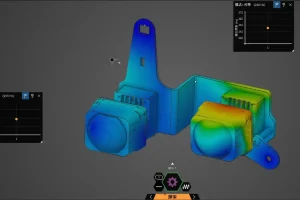
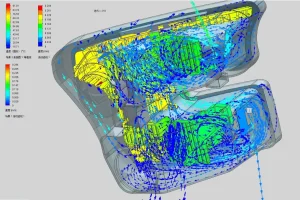
ANSYS Multiphysics Simulation: ANSYS facilitates the coupling simulation of multiple physical fields such as optics, thermal dynamics, and mechanics for automotive lighting systems. This enables an analysis of the interplay between different physical domains, providing insights into their mutual impacts.
Precision Optical Simulation with SPEOS and LucidShape: SPEOS and LucidShape excel in simulating light propagation and intensity distribution with high accuracy. These tools showcase how precise optical simulations can be leveraged to optimize the optical performance of vehicle lighting systems.
Analysis and Application of Simulation Results:
Optical Performance Optimization: Fine-tuning the shapes of reflector cups and lenses based on simulation results enhances light utilization efficiency and illuminance uniformity, ensuring optimized optical performance.
Thermal Performance Evaluation and Enhancement: Conducting thermal simulations aids in optimizing heat dissipation structures, effectively lowering internal temperatures within the vehicle lights for improved performance and longevity.
6. Tooling: Precision in Every Mold
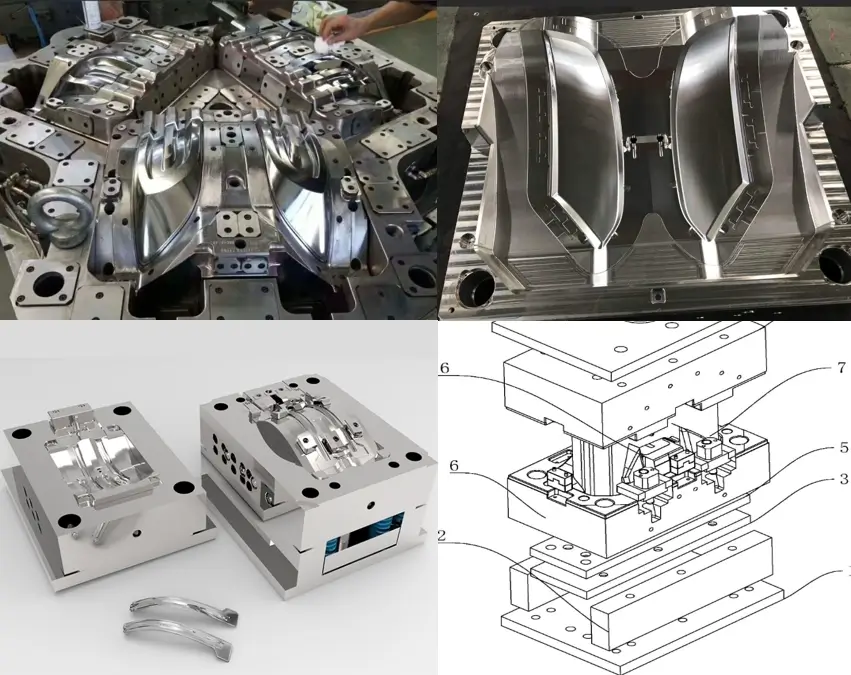
With designs locked, tooling engineers craft injection molds and die-casting dies for mass production. When it comes to selecting the type of mold for automotive lighting components, several factors play a pivotal role:
Criteria for Mold Type Selection:
Product Material and Production Volume Consideration: For automotive light housings made of plastic with high production volumes, priority is given to choosing injection molds. Conversely, if the material is metal and the shape is intricate, die-casting molds might be more suitable.
Cost and Precision Analysis: Comparing the manufacturing costs and molding precision of different mold types is crucial. This comparison aids in selecting the mold type that best aligns with the product requirements.
Comprehensive Analysis of Mold Opening Process:
Mold Design: Based on the 3D model of the automotive light, the mold’s parting lines, cavities, cores, and other structures are meticulously designed, taking into account the mold release methods.
Mold Manufacturing: Employing technologies like CNC machining and electrical discharge machining, the mold components are manufactured to ensure high precision in the production process.
Mold Debugging and Trial Molding: The mold is installed onto an injection molding machine or a die-casting machine for debugging. Through trial molding, the molding effects are inspected, and any necessary optimizations are made to enhance the mold’s performance and efficiency.
7. Trial Production: Bridging Design and Volume
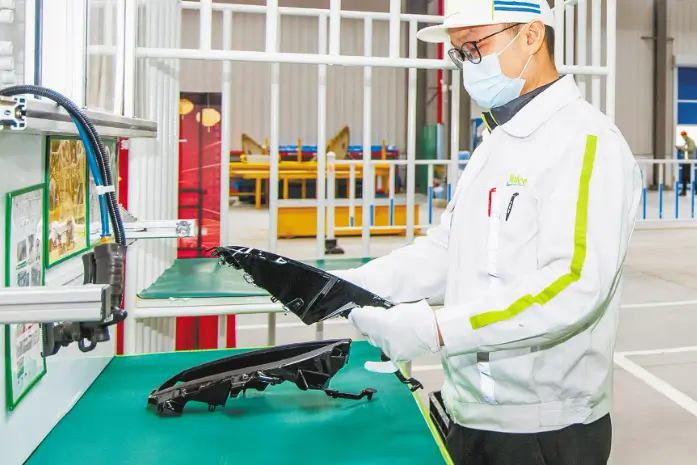
A 50–100 unit pilot run tests manufacturability and exposes flaws.
Preparation for Trial Production:
Procurement of Raw Materials and Components: Select suppliers that meet quality standards for raw materials and components, and initiate small-scale purchases to prepare for trial production.
Equipment Calibration: Conduct comprehensive testing and calibration of production equipment such as injection molding machines, assembly lines, and testing devices to ensure stable operation.
Trial Production Process and Quality Control:
Production Process Monitoring: Throughout the trial production phase, meticulously record production parameters including injection pressures, temperatures, assembly sequences, etc. This monitoring aids in promptly identifying any issues during production.
Product Inspection and Problem Analysis: Perform thorough inspections on trial production samples, evaluating optical, electrical, and mechanical performance. Analyze the root causes of any non-conformities and propose corrective measures to enhance product quality and performance.
8. Mass Production: Scaling Excellence
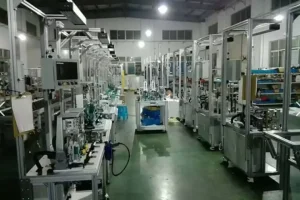
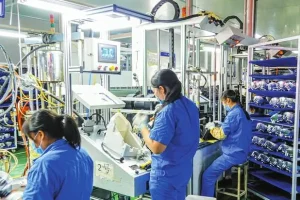
Finalized designs enter high-volume production with automated lines and strict QC protocols.
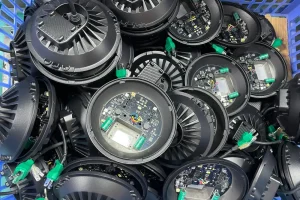
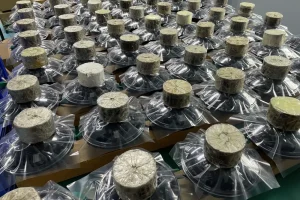
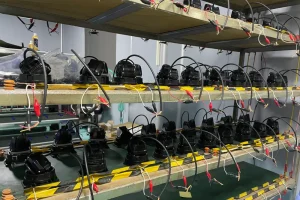
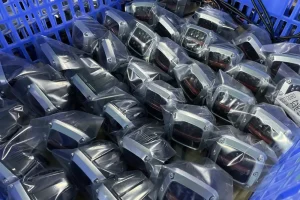
Preparation for Mass Production
Scaling Production Equipment: In accordance with the requirements of mass production, increase the number of production equipment, optimize layout, and enhance production efficiency.
Optimization of Supply Chain Management: Establish long-term stable partnerships with suppliers of raw materials and components to ensure consistent supply and quality control of materials.
Mass Production Process and Quality Assurance
Production Planning: Develop reasonable production plans based on market demands and order volumes, effectively organizing production tasks.
Enhancement of Quality Control System: Implement a comprehensive quality control system encompassing material inspections, production process monitoring, and finished product testing. This system guarantees stable product quality throughout the mass production phase.
Why LOYO Light Leads the Industry
For nearly two decades, LOYO Electronic Technology Co., Ltd. has been more than a manufacturer—we’ve been pioneers illuminating the path of automotive lighting evolution. Since our founding in 2006, rooted in Guangzhou’s bustling industrial heartland, we’ve transformed a 10,000㎡ facility into a global hub of innovation, powered by several skilled workers and patented breakthroughs.
From humble beginnings to producing 50,000+ units monthly, our journey mirrors the relentless pursuit of perfection embedded in every LOYO product. We don’t just assemble lights; we engineer trust—crafting HID and LED systems that withstand deserts, downpours, and decades of road vibrations. Our vertically integrated process, spanning R&D to global marketing, ensures that every headlight bearing the LOYO name carries the DNA of precision, durability, and aesthetic brilliance.
For brands and distributors looking for a long-term OEM motorcycle lighting manufacturer, LOYO offers scalable ODM and OEM solutions tailored to global markets.
Explore our cutting-edge designs at loyolight.com—where innovation meets illumination.